5 Documents Every Georgia Homeowner Needs Before Something Happens
May 14, 2026
Most families think a will is enough. It is not. Here is what actually needs to be in place to protect your home, your land, and the people you love.
You worked hard for what you have. The house. The land. The family you built around it. And if something happened to you tomorrow, the last thing you would want is for any of that to end up tied up in court, fought over, or lost entirely because the paperwork was not in order.
That is the reality a lot of Georgia families are facing right now. Not because they did not care. Because no one sat down and walked them through it.
That is exactly what we do at McClendon Law and Consulting.
So let us get into it. Here are the five documents every Georgia homeowner needs in place before something happens.
“A will is a starting point. But it is not a finish line. Your family needs more than good intentions. They need a plan.”

1. A Last Will and Testament
Yes, we are starting here. Not because a will is enough on its own, but because it is the foundation. Your will tells the state who you want to receive your property, who you want caring for your minor children, and who is responsible for carrying out your wishes after you are gone.
Without one, Georgia law decides all of that for you. The state has what is called intestate succession laws, and they may not distribute your property the way you would have wanted. A will puts that decision back in your hands.
One important note: a will alone does not keep your estate out of probate court. That is where the other documents on this list come in
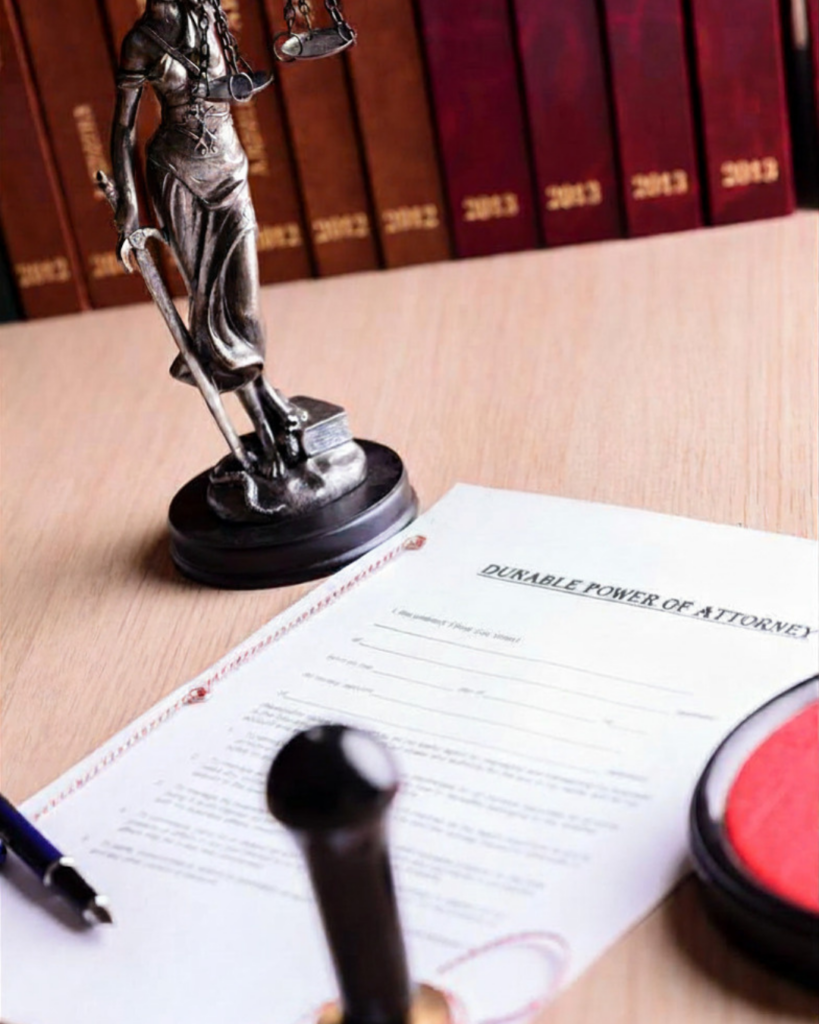
2. A Durable Power of Attorney
This document names someone you trust to handle your finances and legal matters if you become unable to do so yourself. We are talking about paying your mortgage, managing your bank accounts, handling property decisions, all of it.
The word “durable” matters here. A standard power of attorney becomes void if you become incapacitated. A durable power of attorney stays in effect. That is the version you need.
Without this in place, your family may have to go through a court-supervised process called guardianship or conservatorship just to get access to the accounts and assets that are already yours. That process costs time, money, and emotional energy that no family should have to spend during an already difficult season.

3. A Healthcare Directive (Advance Directive)
In Georgia, this document is called an Advance Directive for Healthcare, and it does two things. It names someone to make medical decisions on your behalf if you cannot make them yourself. And it outlines your wishes for end-of-life care so your family does not have to guess.
This is one of the most important documents on this list, and one of the most overlooked. People assume their spouse or adult child can automatically step in and speak for them in a medical emergency. In many cases, they legally cannot, not without documentation.
Having this in place protects your family from being forced to make impossible decisions without guidance. It gives them clarity. And in one of the hardest moments they will ever face, clarity is everything.
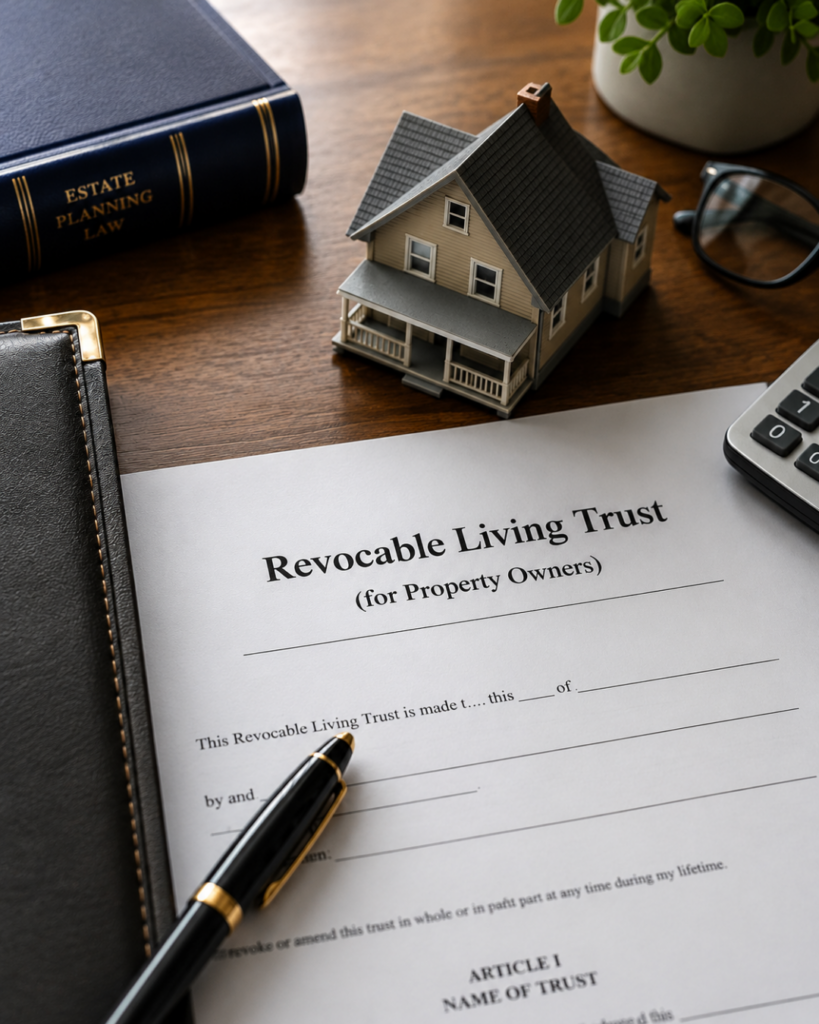
4. A Revocable Living Trust (for Property Owners)
If you own real estate in Georgia, this one deserves serious attention. A revocable living trust is a legal arrangement that holds your property during your lifetime and transfers it to your beneficiaries after you pass, without going through probate.
Here is why that matters. Probate in Georgia is public, time-consuming, and costly. It can delay your family’s access to the home or land for months. A trust bypasses all of that.
And unlike what many people believe, you do not give up control of your property when you create a trust. You remain the trustee during your lifetime. You can buy, sell, and manage your property just as you do today. The trust simply puts a structure in place that protects what you pass on.
If your family has been dealing with heirs property situations, where land has passed down through generations without a clear title, a trust is one of the most powerful tools available to finally get that resolved.

5. A Beneficiary Deed (Lady Bird Deed)
Georgia allows homeowners to designate a beneficiary for their real property through a Transfer-on-Death deed, sometimes called a Lady Bird deed or beneficiary deed. When you pass, the property transfers directly to the named beneficiary without going through probate at all.
This is a simpler option for some families compared to setting up a full trust, though whether it is the right fit depends on your specific situation. The key is knowing the option exists so you can make an informed decision.
This is also something we talk through during a Legacy Discovery Session, because the right answer depends on factors like how the property is titled, whether there is a mortgage, and what your overall estate plan looks like.
“The goal is not just to have documents. The goal is to have a plan your family can actually use when it matters most.”
What Now?
If you read through this list and realized you are missing one or more of these documents, you are not alone. Most families we work with are in the same place when they first come to us. They care deeply about their family. They just have not had someone walk them through what to do.
That is where we come in.
At McClendon Law and Consulting, we do not hand you a stack of papers and send you on your way. We sit with you. We explain what each document means in plain language. We make sure you understand your options before you make any decisions. And we stay with you through the process from start to finish.
You do not need to come prepared. You do not need to know the legal terms. You just need to show up, and we will handle the rest.
Your family’s legacy is worth protecting. Let us help you do that.
Ready to get your plan in place?
Book a Legacy Discovery Session with Aaliyah or join us at our free monthly webinar. We walk Georgia homeowners and landowners through the documents that actually keep families out of probate court and protect generational property.
Legacy Discovery Session with Aaliyah
Register for the free monthly webinar
We educate. We guide. We walk with you.